
What Does Septic Tank Cleaning Actually Involve?
Cleaning a septic tank means pumping the liquid and solids out through the access lid, then scraping down the sides where scum has hardened. A tech checks the inlet and outlet baffles for cracks, pulls and rinses the effluent filter if the tank has one, and looks at the tank walls for cracking or root intrusion. That filter step matters. Cleaning septic tank filter components is the most common reason a system in Sandy backs up between scheduled visits, and cleaning it takes minutes once the tank is already open. If your tank has never been located, our crew can probe for it, though that adds time to the visit. Homes near bigger households or homes running garbage disposals fill faster, so the tank size and family size both drive the real interval, not a flat calendar date. We handle this the same way for septic pumping service calls across Sandy, and if your system has been acting up between cleanings, septic tank warning signs covers what to watch for before it gets to a full backup. Homeowners comparing a septic tank cleaning service should ask what's included, since a bare pump-out and a full cleaning aren't the same job.
How Often Does Septic Tank Cleaning Need to Happen?
Every 3 to 5 years is the standard window for a typical residential tank, and that range comes straight from tank size and household size, the two biggest variables. A single-person household on a 1,500 gallon tank can stretch toward the long end. A family of six on a 1,000 gallon tank should plan for the short end, maybe sooner if the disposal runs daily. Waiting past the interval doesn't save money. It just moves the cost from a routine cleaning to an emergency call plus possible drain field damage. We get calls from homeowners in Sandy who haven't had a tank touched in eight or nine years, and by then solids have often migrated into the drain field lines. For a breakdown of what drives the interval further, how often to pump a septic tank goes deeper on tank size math. If you're not sure whether your last cleaning happened on schedule, septic tank pumping cost also has guidance on what a catch-up visit looks like.

How Much Does Septic Tank Cleaning Cost in Sandy?
Cost septic tank cleaning depends on tank size, access, and how long it's been since the last visit, but most jobs fall into a predictable band. A same-day cleaning typically runs in line with our standard service pricing, and a weekend call carries a premium since it means pulling a crew off a normal schedule.
| Service | Duration | Typical Price |
|---|---|---|
| Septic pumping/cleaning | Day | $150 to $300 |
| Septic pumping/cleaning | Weekend | $50 to $150 |
| Holding tank rental | Month | $100 to $250 |
These septic tank cleaning prices cover cleaning and pumping visits, not new tank installs or drain field repair, which run separately. A grease interceptor is a different animal entirely and gets pumped on its own schedule, once fats, oils, grease and solids build up to 25 percent of the liquid depth, which is much faster than a household tank fills. If your property runs a kitchen, see grease trap pumping for that side of things. For a full cost comparison across job types, septic tank pumping cost lays out the ranges, and homeowners weighing a rental unit during system repair can check holding tank rental.
Why Does Sandy Soil Make Septic Care Different?
Sandy sits along the Wasatch Front where soil composition and lot size vary block to block, and both affect how a septic system drains and how often solids need pulling. A tank on a smaller urban lot near central Sandy sees different soil pressure than one on a larger property toward the bench. Neighboring communities deal with the same variation. Murray sits about 7.6 miles north, South Jordan about 8.3 miles west, and Millcreek roughly 9.9 miles north, and septic systems across that stretch of the valley all answer to similar soil and drainage patterns even though each city handles permitting on its own. None of that changes the core rule: a 1,000 gallon tank still needs cleaning every 3 to 5 years regardless of what's under the yard, though heavier soil can mean slower drain field recovery after a pump-out. If your system needs a rescue outside of a planned visit, emergency septic service covers same-day response, and septic tank cleaning is the hub page for everything in this service line.
Should I Combine Septic Cleaning with Other Site Services?
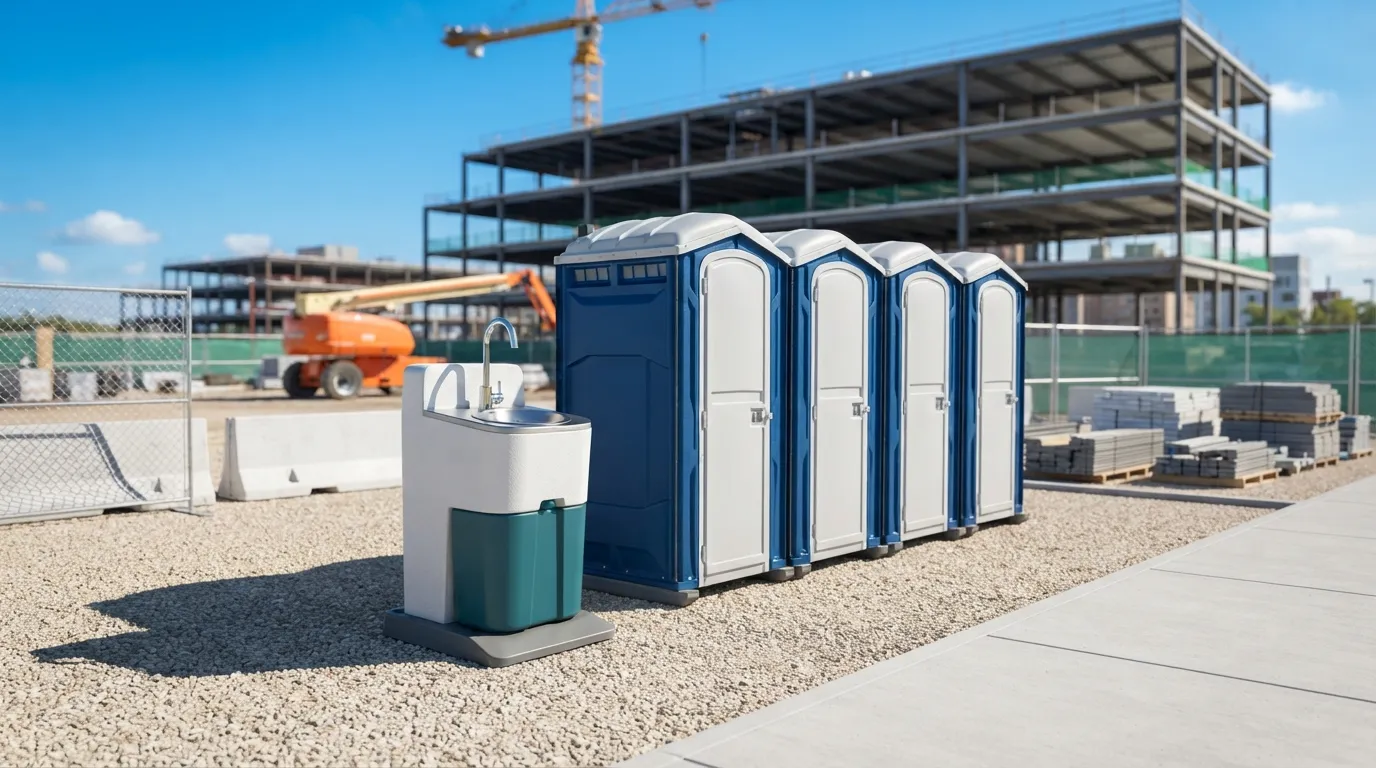
Yes, if you're already doing yard work, a renovation, or hosting an event, bundling makes the scheduling easier and avoids multiple trucks in the driveway on different days. Homeowners doing a bathroom remodel often pair a septic cleaning with a roll-off dumpster rental for demo debris. Anyone hosting a backyard wedding or a larger gathering while the septic system handles extra load should also look at event restroom rental or a restroom trailer rental to take pressure off the tank during peak use. Contractors working a renovation that involves site cleanup sometimes need temporary fence rental around the excavation area if the tank or lines need digging. For general project sanitation while the septic system is offline for service, portable toilet rental covers short-term needs, and our construction site services page rounds up what commercial jobs typically need together. Sandy Porta Pros can usually schedule these on the same trip if you flag it up front.
How do I know if my septic tank needs cleaning now?
Slow drains, gurgling pipes, or standing water near the drain field are the first signs. A bad smell near the tank lid is another. If it's been more than 5 years since the last cleaning, don't wait for a symptom. See septic tank warning signs for the fuller list.
Can I clean a septic tank myself?
No. Tank gases are dangerous and the equipment needed to pump and haul waste isn't something a homeowner should improvise. It also requires proper disposal, which is regulated. Call Sandy Porta Pros or another licensed service for this.
What's the difference between septic pumping and septic cleaning?
Pumping just removes liquid and solids. Cleaning includes that plus scraping tank walls, checking baffles, and clearing the effluent filter. Ask which one you're booking, since the terms get used loosely and the price reflects the difference in labor.
How long does a septic tank cleaning take?
Most residential jobs take under two hours once the crew locates the tank and opens the lid. Tanks that haven't been serviced in years, or ones that need probing to find, take longer. Budget half a day if access is uncertain.
Does septic tank cleaning smell bad?
Briefly, yes, during pump-out. It clears fast once the truck leaves and the lid goes back on. Crews work to keep the mess contained, and there's no lingering odor once the tank is closed and backfilled if it was buried.

Next step
Get a delivery date
Tell us the address, the dates and the headcount. We size the order and confirm the route.