
What items are actually banned from a dumpster?
Paints, solvents, pesticides and herbicides top the list. So do car batteries, motor oil, propane tanks and anything with Freon in it, like an old refrigerator or window AC unit. Tires get rejected almost everywhere because most landfills charge separately for them or won't take them at all. Asbestos siding, insulation or tile counts as hazardous waste in most jurisdictions and needs a licensed abatement contractor, not a roll-off dumpster rental. Electronics like TVs and monitors often fall under separate e-waste rules too. If your crew has been spraying paints or coatings on the job, OSHA 1926.51(f)(1) requires washing facilities for that contaminant exposure, which is a separate concern from what goes in the bin but worth flagging since the same job site usually has both problems at once. Check our what cannot go in a dumpster guidance before you load anything you're unsure about, and when in doubt, call before it's in the can. A full list belongs on your dumpster permit requirements page too, since some banned items overlap with what the city won't let you set out anyway.
Why does it matter for weight and permits?
Weight is the other half of this. Wet drywall, concrete, dirt and shingles are heavy, and landfills bill by the ton once you cross the line set for your container size. Check dumpster weight limits before you fill a 10 yard dumpster rental with concrete, because that combination overloads fast. A 20 yard dumpster rental handles more but still has a ceiling. Banned items compound the weight problem because a hidden battery or a can of old paint can turn a routine load into a hazmat pull that stalls the whole pickup. Placement matters too. A roll-off truck needs about 60 feet of straight clearance behind it to set the container down safely, so plan your driveway or lot layout in Sandy before delivery day. If the container sits anywhere near a public street, confirm placement with the city, since right-of-way rules were not verified for this page and shouldn't be guessed at. Compare sizes on our dumpster sizes and dimensions page before you order, whether you're a homeowner or running a construction dumpster rental for a full remodel.
What should construction and renovation crews watch for?
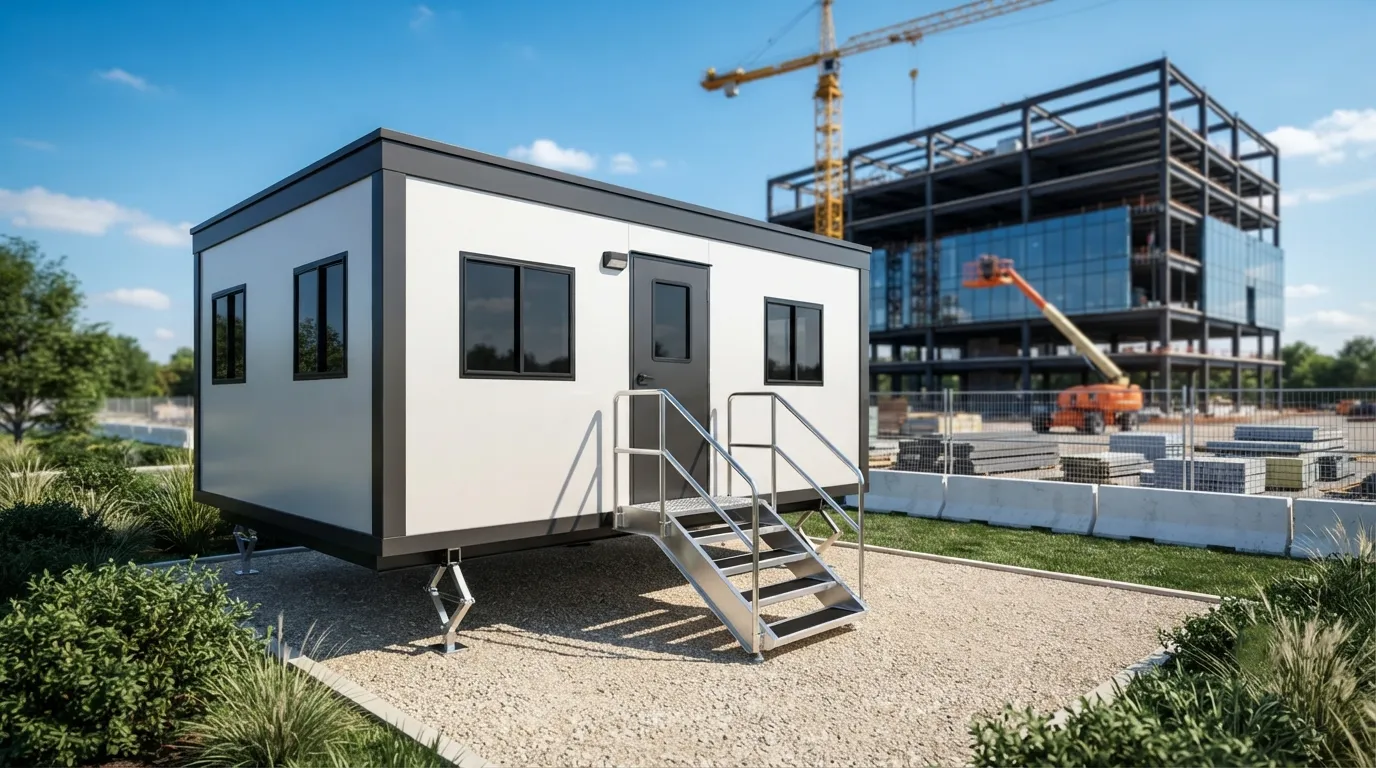
Construction sites generate the widest mix of banned and semi-banned materials on any job. Treated wood, insulation with asbestos, fluorescent tubes with mercury, and adhesives all show up more than people expect. OSHA 1926.25 requires scrap and debris cleared from work areas regularly, and OSHA 1926.252 covers how waste materials get disposed of, including chutes and enclosures on a busy site. Neither rule bans a specific material from your dumpster, but both assume you're sorting as you go instead of dumping everything into one container at the end. A home renovation porta potty and a dumpster usually get delivered together in Sandy, and the same delivery truck that drops the toilet can often bring the container, which simplifies the site visit. For bigger tear-outs, a 30 yard dumpster rental or 40 yard dumpster rental makes more sense than filling multiple smaller units, but the banned-item list stays the same no matter the size. If your project runs alongside construction site services like fencing or a light tower, keep the hazardous stuff separated at a marked spot on site rather than staged near the roll-off.
Are liquids and food waste allowed?
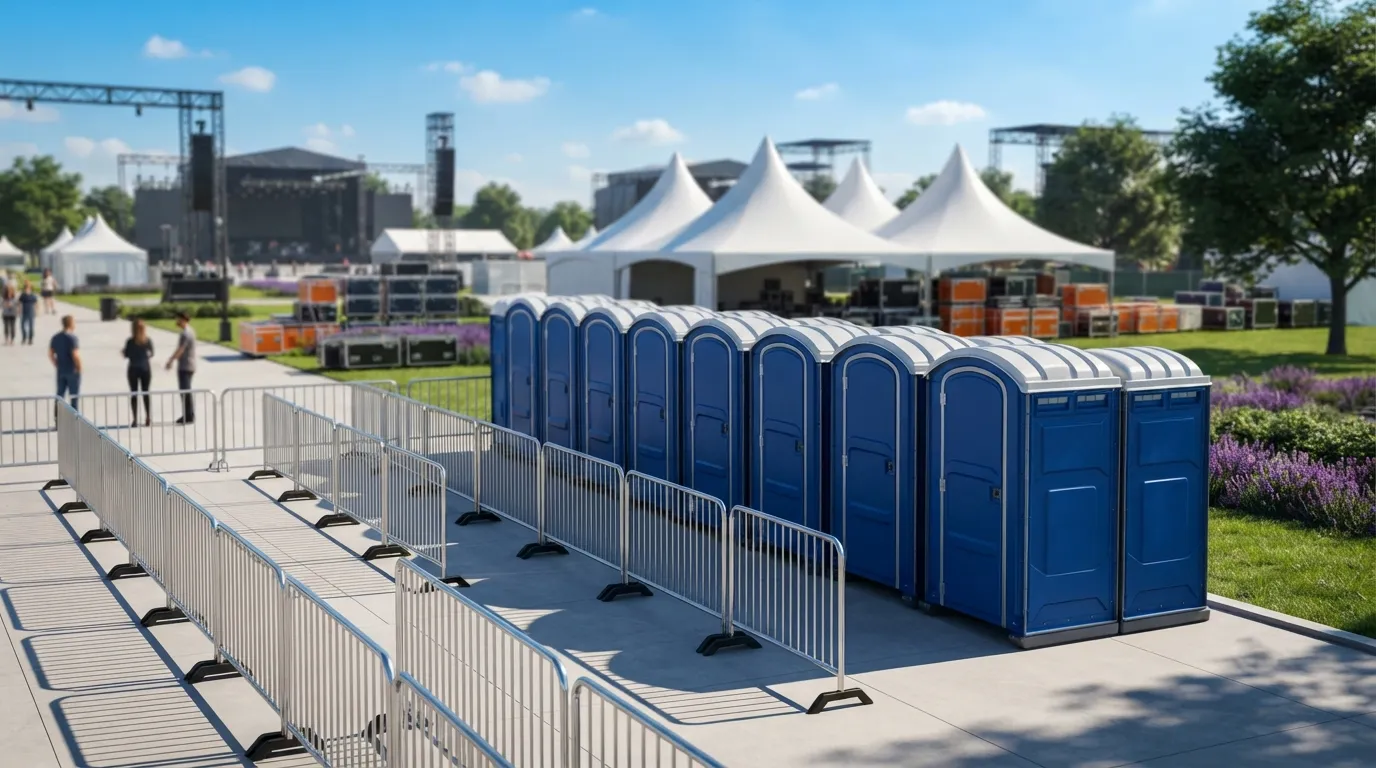
Liquids in bulk are a problem across almost every hauler's rules, since they add weight fast and can leak during transport. Grease is its own category. A grease interceptor gets pumped once fats, oils, grease and solids reach 25 percent of the liquid depth, and that waste stream needs a grease trap pumping service, not a dumpster. Septic and holding tank waste follows the same logic. A typical residential septic tank gets pumped every 3 to 5 years depending on tank size and household size, and that's a job for septic pumping service, never a roll-off. Small amounts of food waste from an event usually aren't flagged, but large quantities of liquid or perishable waste can draw pests and should go in a dedicated container instead.
| Material | Allowed in standard dumpster |
|---|---|
| Wood, drywall, general debris | Yes |
| Concrete, brick, dirt (check weight limit) | Often, with restrictions |
| Paint, solvents, pesticides | No |
| Tires, batteries, propane | No |
| Refrigerators, AC units (Freon) | No |
| Asbestos materials | No |
Can I put old paint cans in a dumpster if they're dry?
Fully dried latex paint is sometimes accepted, but oil-based paint and anything still liquid is not. Rules vary by hauler and landfill, so ask Sandy Porta Pros before loading painted materials, especially from a job that also required washing facilities under OSHA 1926.51(f)(1) for coatings.
What happens if hazardous material is found in my dumpster?
Expect a redelivery fee or a refused pickup. The container may need to be sorted on site before the truck will take it, which delays your job and adds cost beyond the original dumpster rental cost quote.
Can I mix construction debris with household junk?
Usually yes for general debris, but banned items apply regardless of source. A mixed load from a garage cleanout 7.6 miles from Murray or a renovation near South Jordan follows the same rules as any Sandy address.
Do mattresses or appliances need special handling?
Appliances with refrigerant need to be tagged separately in most cases. Mattresses are often allowed but may carry an extra fee depending on the hauler, so confirm before your container arrives.
Where can I check what my local dumpster permit requires?
Start with dumpster permit requirements for what's known, then confirm placement and street-use rules directly with the city since exact permit language for Sandy was not verified for this page.
Next step
Get a delivery date
Tell us the address, the dates and the headcount. We size the order and confirm the route.