
How Do Porta Potties Work?
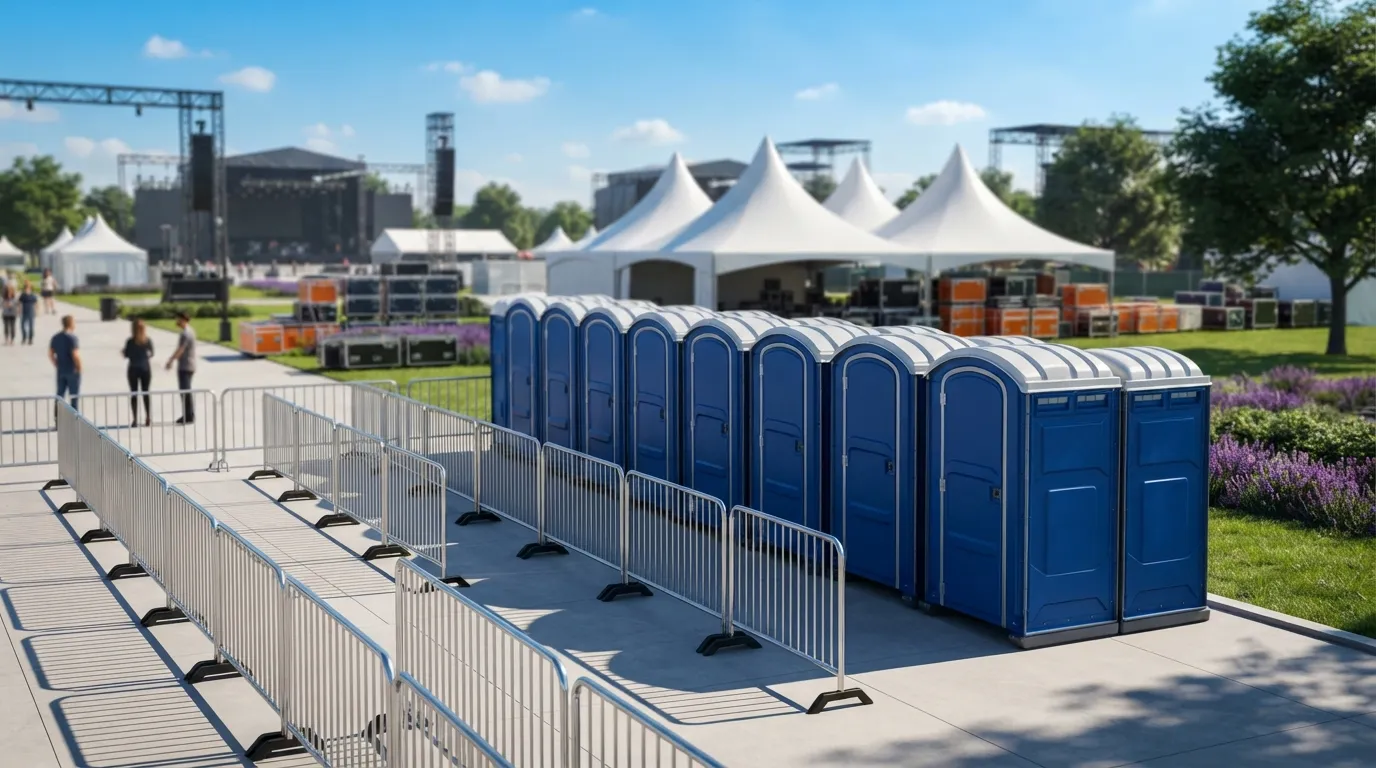
The unit itself is simple. A standard standard porta potty rental is about 44 by 48 inches on the ground and stands roughly 92 inches tall, so it fits in tight spots without eating up a lot of the site. Underneath the seat sits a holding tank, usually 60 to 70 gallons, and that tank holds a blue deodorizing chemical that breaks down solids and knocks back odor between services. There's no flush, no water hookup. When a construction worker running to a porta-potty on a break steps in, uses it, and steps out, everything drops straight into that tank. A service truck comes on a set day, vacuums the tank, rinses it, and drops in a fresh dose of chemical. ANSI/PSAI Z4.3 sets the baseline service interval at once a week for up to 10 users over a 40 hour week, which is why most job sites in Sandy land on weekly service by default. If your crew count is higher, check how many porta potties do I need before you set the schedule. Curious what a route actually costs to run? See porta potty rental cost for the breakdown.
How Do Flushable Porta Potties Work?
A deluxe flushable porta potty adds a foot pump or hand pump that pulls fresh water from a small onboard reservoir and flushes the bowl, so waste still lands in the same holding tank below, just with less odor carryover between visits. Some deluxe units also add a sink with its own small freshwater tank and a separate gray water tank underneath to catch the runoff, which is the same basic idea behind a standalone portable sink rental: fresh water in, gray water down, no connection to a building's plumbing. That separation matters for anyone comparing a handwashing station rental against a sink built into a restroom trailer. If you're staging an event in Sandy and want that extra comfort level, a deluxe unit runs a bit more than porta potty rental per day rates for a standard unit, but for a wedding or a corporate outing it's often worth it. For real plumbing and multiple stalls, step up to a restroom trailer rental, which behaves more like a bathroom in a building, holding tanks and all.
How Do Camping Porta Potties Work?
Camping and off-grid setups usually mean a smaller cassette-style unit or the same style of standard unit dropped at a remote site, and the mechanics don't change: a sealed tank below, chemical treatment inside, no water or sewer line needed. The difference is service access. If a site is 10 or 15 miles out, delivery and pickup take longer, and that's baked into route pricing the same way it affects a rental out toward Herriman, roughly 15.7 miles southwest of Sandy, or South Jordan, about 8.3 miles west. For agricultural operations with hand-labor crews, OSHA 1928.110 sets a different standard: field sanitation rules call for potable water, toilets, and handwashing within a quarter mile walk of where people are working, at one facility per 20 employees. That's a separate bar from general jobsite counts under OSHA 1926.51(c), which requires one toilet for 20 workers or fewer, scaling up as crew size grows. Farms and ranches near Sandy leaning on seasonal labor should check farm and agricultural restrooms for how that plays out in practice.
Do Porta Potties Use Chemicals, and Are They Safe?
Yes. The chemical is a deodorizer and digester, usually blue, dropped into the tank at service time to break down waste and mask odor between pump-outs. It's not the same thing as a septic tank cleaning chemical, which is a different product used to encourage bacterial activity in a residential system's tank rather than a portable unit's sealed holding tank. If you're maintaining a home system instead of renting a portable one, septic tank cleaning and how often to pump a septic tank cover that separately, since a typical residential tank gets pumped every 3 to 5 years depending on tank size and household size. For general sanitation on a jobsite, OSHA 1926.51(c) also ties into water access under 1926.51(a)(1), which requires an adequate supply of potable water at all places of employment, something worth checking against your handwashing requirements plan. Note that hand sanitizer alone doesn't satisfy 29 CFR 1910.141(d)(2), which calls for soap and towels or a hand-drying device at washing facilities.
| unit | day | week | month |
|---|---|---|---|
| standard | $100-$350 | $130-$500 | $125-$325 |
| deluxe | $85-$1200 | $150-$290 | - |
| ada | $200-$400 | $240-$500 | - |
For an ADA-compliant unit on site, ADA accessible porta potty covers the specs, including the 60 inch turning circle required under ADA Standards 304.3.1 and the 32 inch minimum door opening under ADA Standards 404.2.3.
How often do porta potties get pumped?
Weekly is standard under ANSI/PSAI Z4.3 for up to 10 users over a 40 hour week. High-traffic events or larger crews need more frequent service, sometimes twice a week. Check how often are porta potties cleaned for the details on what a service visit actually includes.
Do porta potties smell?
Some odor is normal between services, especially in heat, but a fresh chemical charge and a tight-fitting lid keep it manageable. Ventilation vents on most standard units also help. See do porta potties smell for what affects odor most.
How does a portable sink work?
A portable sink pulls water from a built-in fresh tank, usually foot-pump or hand-pump activated, and drains into a separate gray water tank underneath. No plumbing hookup needed. That's the same basic setup used in portable sink rental units delivered around Sandy.
Can I rent a porta potty for just one day?
Yes. Daily rates exist for short events, though weekly and monthly rentals cost less per day for longer jobs. Full pricing structure, including delivery fees, is on porta potty rental per day.
What's the difference between a porta potty and a restroom trailer?
A porta potty is a single self-contained unit with a holding tank and no running water unless it's a deluxe model. A restroom trailer has multiple stalls, real plumbing, and often climate control. Compare options at restroom trailer rental.
Next step
Get a delivery date
Tell us the address, the dates and the headcount. We size the order and confirm the route.